CDC Warns Drug-Resistant Germs Cause 9.7 Million US Infections and 50,800 Deaths a Year
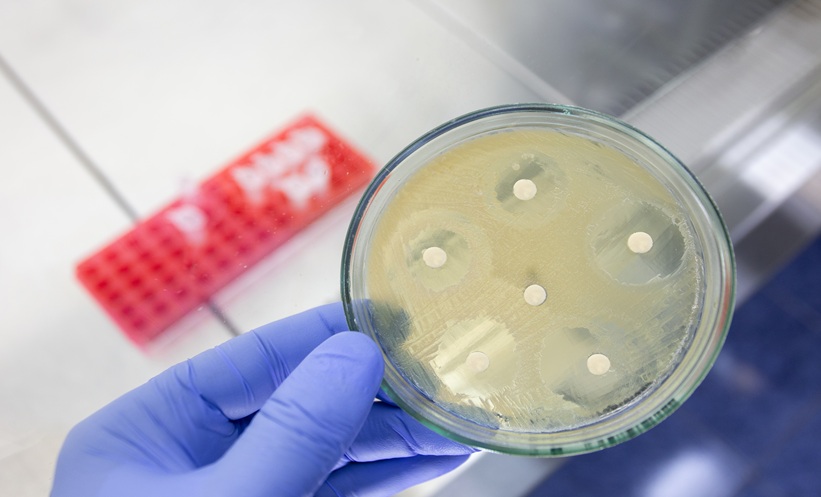
Drug-resistant germs cause an estimated 9.7 million infections and about 50,800 deaths in the United States each year, according to the Centers for Disease Control and Prevention's 2026 Antimicrobial Resistance Threats Report, released on 27 October. The report, based on 2023 data, assesses 19 drug-resistant bacterial and fungal pathogens and sorts them into urgent, serious and concerning threat levels. Four pathogens are classed as urgent, meaning they require urgent and aggressive action.
The urgent list is Candida auris, a fungus that spreads in hospitals and care homes; carbapenem-resistant Acinetobacter; carbapenem-resistant Enterobacterales; and drug-resistant gonorrhea. Candida auris cases have risen roughly tenfold since 2019, with 4,523 cases recorded in the United States in 2023, up more than 50 percent on the year before. The CDC also warns that resistance genes, including NDM, are spreading rapidly and making some infections resistant to nearly all available antibiotics.
There is one important caveat, and some good news. The CDC says its data sources and methods have expanded, so the new figures should not be compared directly with its 2019 report, which estimated 2.8 million infections and 35,000 deaths. And Clostridioides difficile, which causes serious diarrhoea, has been downgraded from urgent to serious after infection rates fell. Health experts say the report strengthens the case for better infection control, smarter antibiotic use and new incentives to develop fresh antibiotics and antifungals.
Source: read more


Comments
Post a Comment